
Showing posts with label reuse. Show all posts

2009-06-01

9 Days of Green: Repair & Maintain

"They don't make them like they used to."

How many times have you heard this phrase, let along said it. I tend to think a lot of my green ideas are abstract and this one is no different. If something is broke fix it.

This opinion was developed over my time as a manufacturing engineer and as a amateur bicycle mechanic. Repair stuff that is broken and maintain what is not. You want some of your home bills to stay down, maintain you HVAC system. Old or new these systems run more efficiently with clean filters, fans, and sensors. Have an old car that runs well, try adding synthetic motor oil with the next oil change, you may be surprised what your gas mileage is afterward. Bicycles can run and run as long as they are cleaned every year. Heck your home has probably needed an update here or there, did you throw your home away or did you get that new roof, added insulation, or paved driveway.

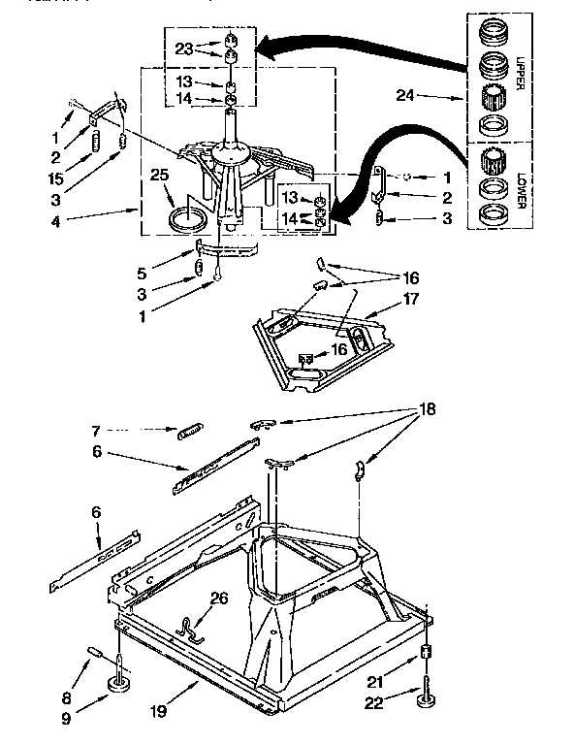
It is really simple and probably an afterthought that we need to repair things when they break down. I know that after moving into this house my washing machine and garage door opener failed on me. Myself or my girlfriend was ready to purchase something new, thankfully we didn't because a couple of trips to the parts center and some elbow grease later, we had everything up and working. By keeping what we have running, working, and used, it is one less thing to throw away fill up a landfill, or use energy to melt down, not to mention all of the resources and energy to produce a new product.

Electronics are probably my most hated product in terms of maintenance and repair. Most electronics are not very repairable, can require a significant understanding of circuits, can become obsolete rather quickly, and may have the worst warranties in the business. I wouldn't know what to tell you to do with them other than use them as long as you can before your needs change or the machine dies. I know a lot of people know how to repair old radio tuners and kitchen electronics, but the ratio of those compared to the number of tossed equipment definitely isn't favorable.

When faced with the dreaded repair versus buy new arguments, think of it this way. First, what will the life of my product be if I do this repair? Second, what will be the total cost of purchasing and using the new equipment? Then, compare the results. My dad kept cars way past their prime, his reasoning was sure this repair costs a lot but it is cheaper than car payment. I always thought that was a good argument. Realize too that simply maintaining equipment constantly will keep things running longer than you would ever think is really possible. Whether it is a repair or simple maintenance, continued usage of your old stuff can keep numerous other materials and resources safe from harming the environment.

2009-05-23

9 Days of Green: Reuse 2.0

(Day one of the ReJAVAnate Bag contest, first topic is a new old one of mine here at Dyslexic Research, Reuse. Comment to enter. Everyone but Grant and myself are eligible.)

While waiting in Manila for a flight to Dumaguete, I flipped through a current Dwell Magazine. This issue was about the popular topic of green building / sustainability and one article in particular sparked my thoughts about what is the most green thing one can do with building or buying anything. The article was about someone’s modern expansion and makeover of a home with new green, recycled, processed, and organic materials and its design process. It’s a very beautiful home but I can’t help think about all of the energy used to make these new recycled panels, parts, and materials, not to mention of the fuel needed to power the equipment used to build the house. Sure they utilized biodiesel fueled trucks, processed hay, denim insulation, special insulating windows, solar panels, and low-VOC paint but what if first they took a trip down to the local recycled materials store (KC Restore, etc) first for windows, doors, sinks, wood, flooring, and tubs.

Reusing what isn’t “new” is the best way to keep trash out of dumps and not use time, money, and energy to produce a product. This obsession with “new” is what is truly wrong with the American lifestyle. We all are obsessed with “new”, you suffer from it, and I suffer from it. If we all just stopped at the thrift store first for some clothes, not all, but some, it would reduce some of that time, money, and energy needed to produce new clothes. Just being satisfied with the furniture we have or with the current layout of our kitchen, should be considered just as green, if not more so than some LEED’s certified property built from the ground up. Okay truly if we have to build something new, then using and investing in these new recyclable or more sustainable materials is great and needed, but not reusing older, perfectly fine materials and goods is just reckless, snobby, and wasteful.

Go back just 100 to 200 years ago to America and farmers would use as much wood as they could from the old barn to build the new barn, the old bath tub in the old house would get transferred over the to the new house, the old sink was the new sink, and on and on. The products were typically more robust then, usually made to last a little better than our current throw away society.
Somewhere in Americana, we all started to want “new” and more “new”, and in order to afford the variety of more “new”, we needed cheaper and cheaper stuff. First came the old Sears and Roebucks and then came out Wal-Marts, providing us with all of the crap we wanted as cheap as it can get. At one time the little closets in the old houses Americans owned fit all of the clothes that a person held, all of them. Now we need so much stuff that huge closets and rooms are needed to pack all that crap in. More stuff, more crap, more space, and it all has to be “new”, that is the problem (somewhere I hope George Carlin is smiling). Enjoying what we have, or reusing someone else’s perfectly good stuff, is the best, most green solution. Magazines may never write about it, media may never promote it, but there really is just no better thing to help the green movement than to reuse.

2009-05-20

ReJAVAnate Bag Contest!!!

With my massive Internet influence that span tens and tens of people, I have been able to finagle some free stuff for the viewers of not only this blog but those of The Corner Office Blog run by my old college bud Grant. So what is the prize? Two super nice ReJAVAnate grocery bags are up for grabs. Yup, I gracefully asked ReJAVAnate to donate a couple of bags for me to review and then offer up to the commenting public. I can't believe it either. (Quick note: Actual pictures of bags to come tomorrow)


From this Saturday the 23rd of May to Sunday the 31st of May I am going to run 9 Days of Dyslexic Research's Guide to Green. I missed Earth Day, sure but I plan on 9 days of topics that should help inform the everyday person of real, green ways to live your life, with no hype. Believe me these will not only be green ideas but also ways to save you money. With day 9 devoted to my final informed review on the ReJAVAnate bags. The Corner Office Blog will do whatever Grant wants to do.


So to enter the contest simply comment here at Dyslexic Research or over at The Corner Office Blog between May 23 to 31. You get one entry per blog post per day either here or there. So a commenter that commented 8 times on my post one day would get only one entry, but if that commenter posted 8 comments on eight different posts he/she would get 8 entries. Or if they posted a comment on each of our blogs on the same day they would receive 2 entries that day. It will probably take a couple of days after the 31st, but I will put all of the comment entries together and pick a winner the following week.


So how nice are the bags? Well ReJAVAnate sent me two of there Large Grower Bags that are lined with recycled canvas for extra sturdiness, an $18 value. I should add that these bags were sent to me in an old phone box to 'shamelessly' reuse packaging (hey that's their own words). These bags are roughly 15" wide by 15" tall and look to hold at least two gallons of milk per bag with room to spare for a lot more tasty groceries. If books were your thing, between the two of them I think you could clear a shelf of paperbacks. Stitching looks to be top notch, especially when you compare this to one of those $.99 bags from the store. Unlike those flimsy bags made in China of polypropylene, these bags are made to last. So far they incorporate everything green thing that I believe in: quality product, long-lasting looks, reused materials, and a good cause. Not bad.


Also cool is the grower's logo on the burlap of each bag. So cool in fact that guys can carry these things around and not feel like a tool with some flowered or pastel thing slung over your shoulder. No, these bags look like souvenirs from your trip to Columbia after helping farmers carry coffee beans over the mountain cliffs avoiding various jungle guerrillas or whatever. In reality your helping both workers with disabilities have real work with real value and recycle burlap and canvas keeping these materials out of landfills. Still pretty cool.


So tune in here or over at Grant's blog and comment and enter to win!


More Info on ReJAVAnate (from their website):

"ReJAVAnate - making a difference one bag at a time! This is a great story.
These bags address three important issues:
1). They reduce a significant
source of landfill waste - burlap from coffee
2). They provide jobs to those
that often have difficulty finding jobs - The
ARC

3). They provide a good way to reduce our paper and plastic bag
consumption

The ReJAVAnate story is one of the most compelling sustainability stories
you will find - our material, who makes the bags, where they are made and that
the bags are completely biodegradable. Much better than the usual reusable bags
made from nonwoven polypropylene in China!

Did you know:
- Coffee is the second largest commodity in the world
- 800,000 tons of burlap are put into landfills every year
- The ARC
helps 140,000 people find housing and employment
- US consumes over 380
billion plastic bags, sacks and wraps
- 14 million trees were cut to produce
10 billion paper bags for grocery stores in the US"